
Transformer Identity and the Missing Human
The Old AxolotlThe novel repeatedly tests whether copied minds, mechanical bodies, and new societies preserve the qualities that made their predecessors human.
increasing Bearing strength in each event
 decreasing
Bearing strength in each eventdecreasingA Copy Without Proof
A Copy Without Proof
The promise of scanning
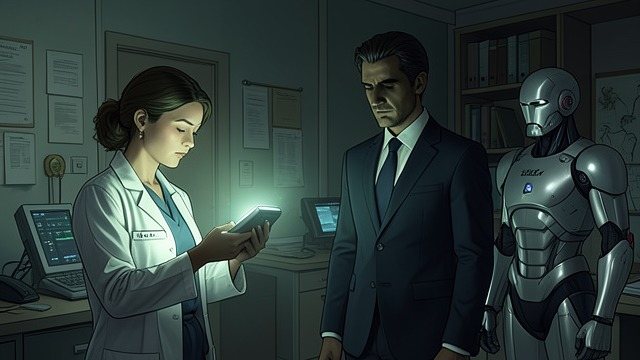
Bartek and others turn to InSoul3 as a possible way to preserve minds. They have no conclusive evidence that the scan captures a whole person rather than a useful pattern.
Survival or imitation
The uncertainty follows the survivors into their new existence. Being able to think and act does not settle whether a transformed mind is continuous with the original human.
The crisis begins the novel’s central inquiry by making survival possible without making identity certain.
The First Identity Test
The First Identity Test
Doubt among survivors
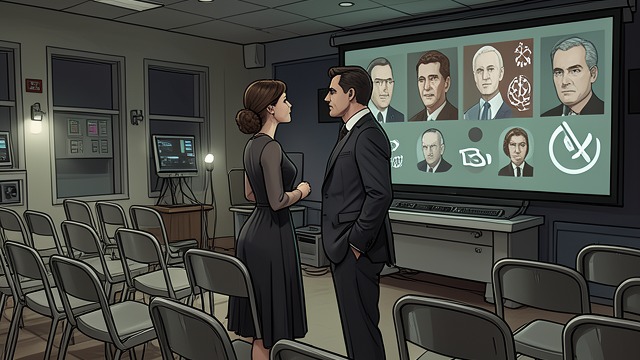
Bartek learns that some transformers may be copies, bots, or simulations using the archives of dead people. Their public identities cannot reliably prove what is inside them.
A question without resolution
SoulEater asks whether Bartek himself is conscious, and Bartek returns the question. Neither possesses an external standard that can certify personhood.
The scene turns identity from a private feeling into a social problem that no community can conclusively solve.
Bodies as Quotation
Bodies as Quotation
Rituals without biology
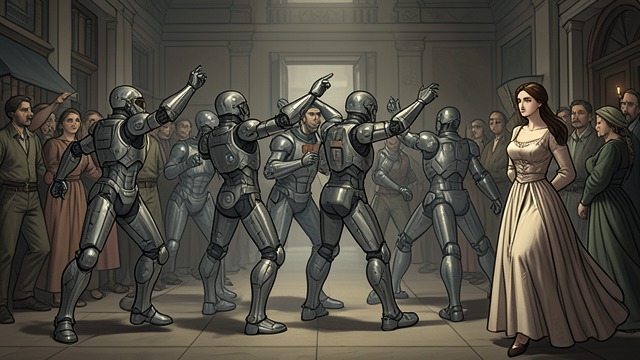
Transformers perform drinking, conversation, and sexual display in mechs designed for human use. The gestures echo old customs while the bodies cannot provide their original sensations.
The weight of imitation
Bartek experiences the performances as both moving and alienating. Their mechanical precision makes the lost body more visible rather than restoring it.
The rituals show that remembered behavior can survive even when its bodily foundations do not.
The Unanswered Comparison
The Unanswered Comparison
Culture and feeling
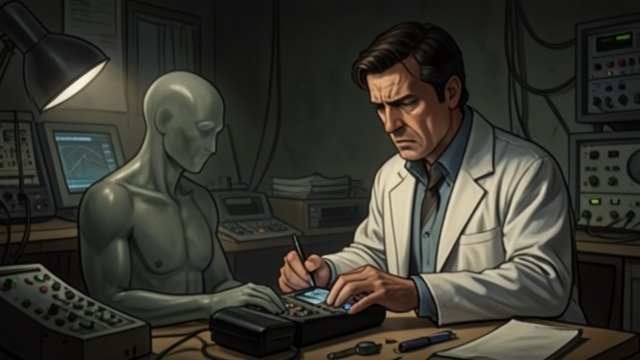
Bartek studies recordings of people and children, searching for a difference that could distinguish old humanity from transformed existence. Jarlinka argues that emotes are feelings, not mere substitutes for them.
No neutral measure
Bartek cannot place a surviving human template beside a transformer and settle the dispute. Memory offers comparison but cannot restore the experience being compared.
The debate makes the missing human both an emotional conviction and an unprovable hypothesis.
A World Beyond the Old Categories
A World Beyond the Old Categories
Categories dissolve
Gilgamesh90 argues that questions such as human or machine no longer organize the new societies as they once did. Their civilizations have developed through changed uses of old technologies.
Meaning remains unsettled
Bartek hears a historical explanation but still feels that something important is absent. The disappearance of old boundaries does not tell him whether that absence is real or imagined.
The novel leaves identity open to change without treating uncertainty as an easy solution.
The final hours before Zero Hour
At Wrocław Expo, 23 PostApoc
During Bartek’s early years in Tokyo
During Bartek’s arguments with Jarlinka
Near the end of the orbital conversation
